Organizing Restaurant Inventory: Tips for Efficient Stock Management
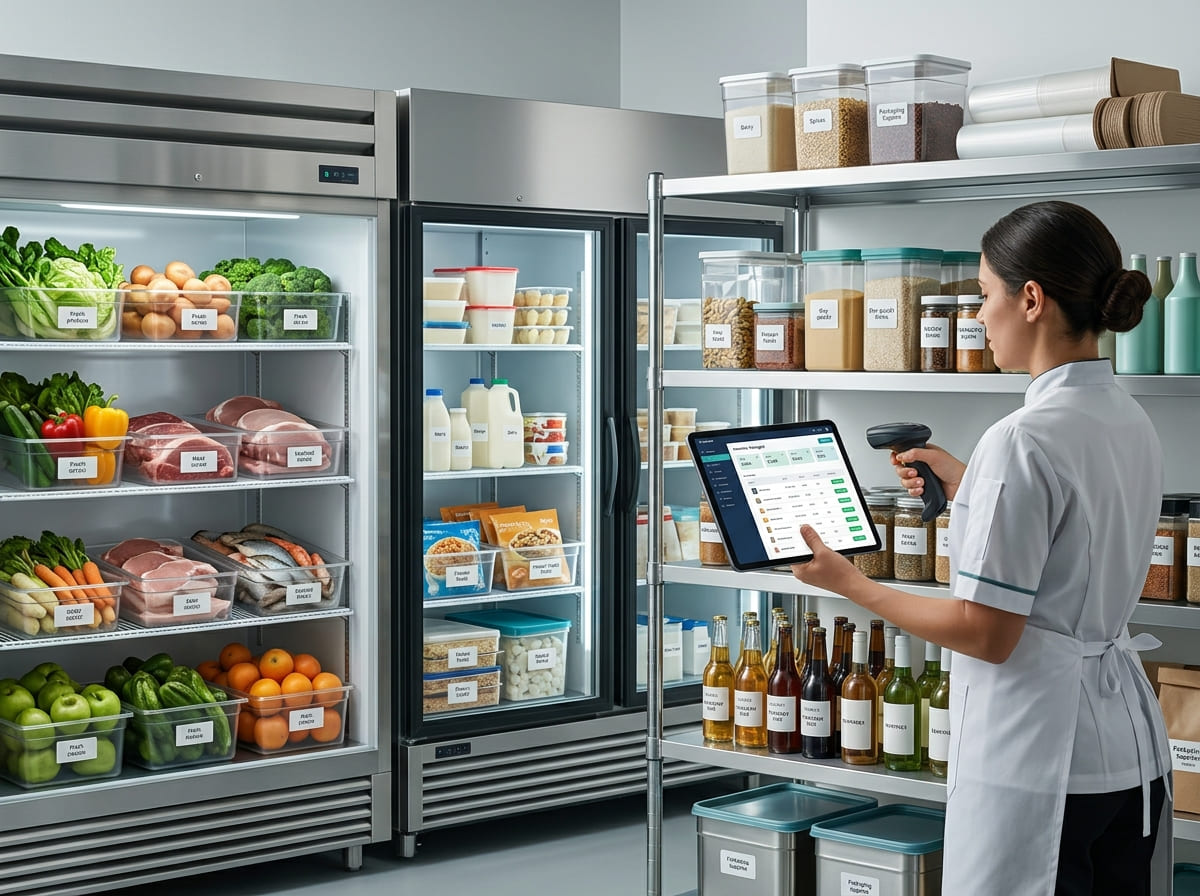
Managing a restaurant successfully requires more than preparing great food and delivering excellent service. Behind every efficient kitchen is a well-organized inventory system that ensures ingredients are available, waste is minimized, and costs remain under control.
Restaurant inventory management plays a critical role in daily operations because restaurants deal with fast-moving, perishable, and high-value stock. Without proper organization, businesses often experience expired ingredients, unexpected stock shortages, over-ordering, inaccurate food costs, and unnecessary waste.
A structured restaurant stock management approach helps restaurants maintain accurate stock levels, improve purchasing decisions, and create smoother kitchen workflows. Modern inventory platforms can further improve visibility by connecting stock records, barcode tracking, spreadsheets, and real-time updates into one workflow. GearChain, for example, helps businesses organize inventory data, track stock movement, and improve inventory accuracy through digital inventory workflows.
Why Restaurant Inventory Organization Matters
Poor inventory organization creates problems that affect both operations and profitability. When ingredients are difficult to locate or stock records are inaccurate, employees spend more time searching, counting, and correcting mistakes.
Effective restaurant inventory organization helps businesses:
Reduce food waste and spoilage
Prevent stockouts during busy periods
Improve purchasing decisions
Maintain consistent food quality
Control food cost percentage
Reduce unnecessary inventory expenses
Improve kitchen efficiency
A well-managed inventory system creates a clear connection between purchasing, storage, preparation, and menu performance.
1. Categorize Inventory Before Organizing Storage
The first step in efficient food inventory management is creating clear categories. Instead of storing products randomly, restaurants should organize inventory based on product type and storage requirements.
Common restaurant inventory categories include:
Fresh produce
Meat and seafood
Dairy products
Frozen foods
Dry goods
Beverages
Spices and condiments
Packaging supplies
Cleaning supplies
Each category should have a dedicated storage location. For example, frequently used ingredients should remain easily accessible, while backup stock can be stored separately.
This approach improves inventory counting because employees can quickly identify what is available and what needs replenishment.
2. Create a Consistent Storage Layout
A restaurant stockroom should follow a predictable structure. Every item should have a specific location, shelf, or container.
Good storage organization includes:
Clearly labeled shelves
Dedicated storage zones
Organized refrigerator sections
Separate freezer categories
Proper container labeling
Standard product names
A consistent storage layout makes physical inventory counts faster and reduces human errors.
For example, if employees count ingredients in the same order they appear on shelves, restaurant inventory tracking becomes more accurate and efficient.
3. Use FIFO and FEFO Inventory Rotation
Food products have limited shelf life, making stock rotation essential.
The FIFO inventory method (First In, First Out) means older products are used before newer deliveries. This reduces expired inventory and prevents unnecessary food waste.
The FEFO method (First Expired, First Out) focuses on expiration dates by prioritizing products that expire sooner.
Restaurants should:
Label products with receiving dates
Track expiration dates
Move older stock forward
Place new deliveries behind existing inventory
Check storage regularly
Proper inventory rotation improves food safety and helps maintain better stock control.
4. Establish Regular Inventory Counting Procedures
Accurate inventory counting is the foundation of effective restaurant stock management.
Restaurants should create a consistent counting schedule, such as:
Daily counts for high-value ingredients
Weekly inventory checks
Monthly inventory audits
Regular cycle counts
A restaurant inventory checklist can include:
Product name
Quantity available
Unit of measurement
Storage location
Expiration date
Reorder requirement
Using consistent measurement units is also important. Counting items by cases, kilograms, liters, bottles, or individual pieces prevents confusion.
Digital inventory systems can simplify this process by allowing teams to update stock records through mobile devices, barcode scanning, and synchronized data. GearChain supports barcode workflows and inventory tracking features that help businesses replace manual tracking processes with more accurate digital records.
5. Set Restaurant Inventory Par Levels
One of the biggest challenges restaurants face is knowing how much stock they actually need.
Ordering too much creates:
Higher storage costs
More food spoilage
Excess inventory
Ordering too little creates:
Stock shortages
Menu availability problems
Emergency purchases
Restaurant par levels solve this problem by defining the ideal quantity of each item that should always be available.
A simple inventory planning process includes:
Review historical usage
Analyze customer demand
Consider supplier delivery times
Set minimum stock levels
Define reorder points
When stock reaches the reorder point, employees know it is time to purchase additional supplies.
6. Track Food Waste and Inventory Variance
Food waste directly affects restaurant profitability. Ingredients may be lost because of:
Expiration
Incorrect storage
Over-preparation
Portion control issues
Damaged products
A waste tracking system helps identify where losses occur.
Restaurants should monitor:
Spoiled ingredients
Returned items
Preparation waste
Overproduction
Inventory discrepancies
Comparing actual inventory usage with theoretical usage can reveal problems such as incorrect portion sizes, inaccurate recipes, or purchasing mistakes.
7. Connect Inventory Management With Food Cost Control
Inventory organization is closely connected with financial performance.
Restaurants use inventory data to calculate:
Beginning inventory + purchases − ending inventory = Cost of Goods Sold (COGS)
Accurate inventory records help managers understand:
Ingredient costs
Food cost percentage
Profit margins
Purchasing efficiency
Menu profitability
When stock records are unreliable, financial reporting becomes inaccurate.
8. Improve Receiving and Supplier Management
Inventory accuracy begins when products arrive.
A proper receiving process should include:
Checking delivered quantities
Inspecting product quality
Confirming expiration dates
Comparing deliveries with purchase orders
Updating inventory records immediately
Supplier lead time, delivery schedules, and product availability should also influence purchasing decisions.
A connected inventory workflow reduces mistakes between suppliers, storage teams, and kitchen staff.
9. Use Digital Tools for Better Inventory Accuracy
Traditional spreadsheets and paper-based tracking can work for small operations, but growing restaurants often need more visibility.
Modern inventory management solutions help restaurants:
Track stock movement
Maintain digital inventory records
Scan barcodes
Monitor multiple locations
Improve reporting
Reduce manual entry errors
GearChain combines inventory tracking, barcode scanning, spreadsheet synchronization, and AI-powered insights to help organizations create more efficient inventory workflows.
10. Train Employees on Inventory Procedures
Even the best inventory system fails without proper team adoption.
Restaurant employees should understand:
Where items belong
How to label products
How to rotate stock
How to record waste
How to complete inventory counts
Clear procedures create consistency across shifts and reduce inventory mistakes.
Final Thoughts
Organizing restaurant inventory is not just about arranging shelves. It is about creating a reliable system that connects purchasing, storage, usage, and reporting.
By implementing structured storage layouts, FIFO rotation, regular inventory counts, accurate par levels, waste tracking, and digital inventory tools, restaurants can reduce costs and improve operational efficiency.
Efficient restaurant inventory management gives businesses better control over stock, improves decision-making, and creates a stronger foundation for long-term growth.
FAQs
How do you organize restaurant inventory?
Organize restaurant inventory by category, storage location, and usage frequency. Label shelves, separate food types, apply FIFO rotation, maintain inventory counts, and track stock levels regularly to reduce waste and improve accuracy.
What is the best way to manage restaurant inventory?
The best way to manage restaurant inventory is by combining regular stock counts, accurate records, par levels, reorder points, waste tracking, and organized storage practices to maintain the right amount of inventory.
How often should a restaurant take inventory?
Most restaurants should perform inventory counts weekly, while high-value or frequently used ingredients may require daily tracking. Regular counting helps identify shortages, waste, and inaccurate stock records before they affect operations.
What is FIFO inventory in a restaurant?
FIFO inventory means using older products before newer deliveries. Restaurants arrange stock so earlier purchased ingredients are used first, helping reduce expiration, improve food safety, and minimize unnecessary food waste.
How can restaurants reduce food waste through inventory management?
Restaurants can reduce food waste by tracking expiration dates, using FIFO methods, setting accurate par levels, monitoring inventory usage, controlling portions, and analyzing waste records to identify improvement opportunities.
How do restaurants keep track of inventory?
Restaurants track inventory through spreadsheets, inventory management software, barcode systems, and regular physical counts. These methods help monitor stock levels, purchases, usage patterns, and reorder requirements.

Enter email to get Free Google Sheets Template
We’ll email you a quick verification link. Click it to confirm your address and your template will open automatically.
Enter email to get Free Excel Template
We’ll email you a quick verification link. Click it to confirm your address and your template will open automatically.